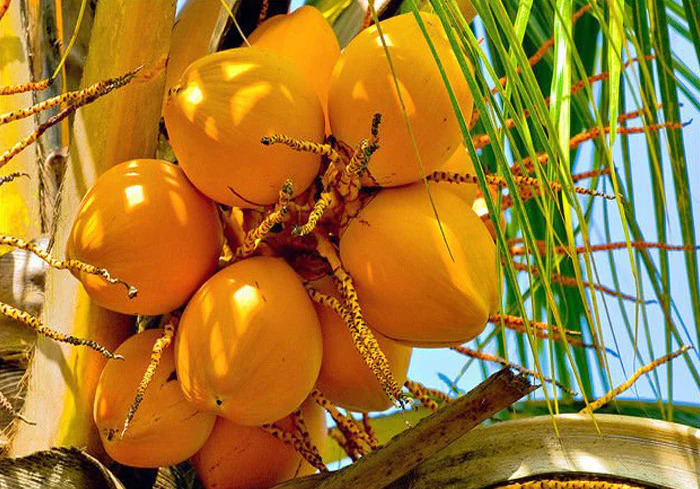
Yes, the King Coconut (Cocos nucifera var. aurantiaca) is primarily found in Sri Lanka. While it is not exclusive to Sri Lanka, the majority of King Coconut cultivation occurs on the island. There are several reasons why the King Coconut is predominantly grown in Sri Lanka:
Native Habitat: The King Coconut is believed to have originated in Sri Lanka, and over the centuries, it has adapted to the island’s diverse agro-climatic conditions. The native habitat of a plant often plays a crucial role in its successful cultivation, and the unique environmental factors of Sri Lanka contribute to the optimal growth of the King Coconut.
Agro-climatic Zones: Sri Lanka possesses a variety of agro-climatic zones, ranging from coastal areas to mountainous regions. These diverse zones provide suitable conditions for the cultivation of different coconut varieties, including the King Coconut. The fruit thrives in tropical climates with warm temperatures, high humidity, and abundant rainfall.
Soil Composition: The soil composition in Sri Lanka, particularly in coconut-growing regions, is well-suited for the cultivation of King Coconuts. The fruit tends to prefer sandy soils with good drainage, and Sri Lanka’s coastal areas provide these ideal conditions for cultivation.
Cultural Significance: The King Coconut has deep cultural and traditional significance in Sri Lanka. It is an integral part of rituals, ceremonies, and daily life. The fruit’s importance in local customs has led to a sustained interest in its cultivation and preservation, ensuring that it continues to be a symbol of prosperity and well-being in the region.
Historical Cultivation Practices: The cultivation of King Coconut in Sri Lanka dates back thousands of years. Over time, agricultural practices specific to the cultivation of this coconut variety have been developed and refined by local farmers. These practices have been passed down through generations, contributing to the success and sustainability of King Coconut cultivation in Sri Lanka.
Biodiversity Conservation: Sri Lanka’s commitment to biodiversity conservation and sustainable agriculture has further supported the cultivation of native plants, including the King Coconut. Efforts to preserve and promote indigenous species align with environmental conservation goals, ensuring the continued cultivation of the King Coconut in its native land.
While there may be some limited cultivation of King Coconut in other tropical regions with similar climates, the heart of its cultivation and cultural significance remains deeply rooted in the beautiful island of Sri Lanka. The combination of historical cultivation practices, cultural importance, and favorable environmental conditions has made Sri Lanka the primary home of the King Coconut.